Root-Bound
Bee Builder
Author
A reflection on plants, power, and starting your own.
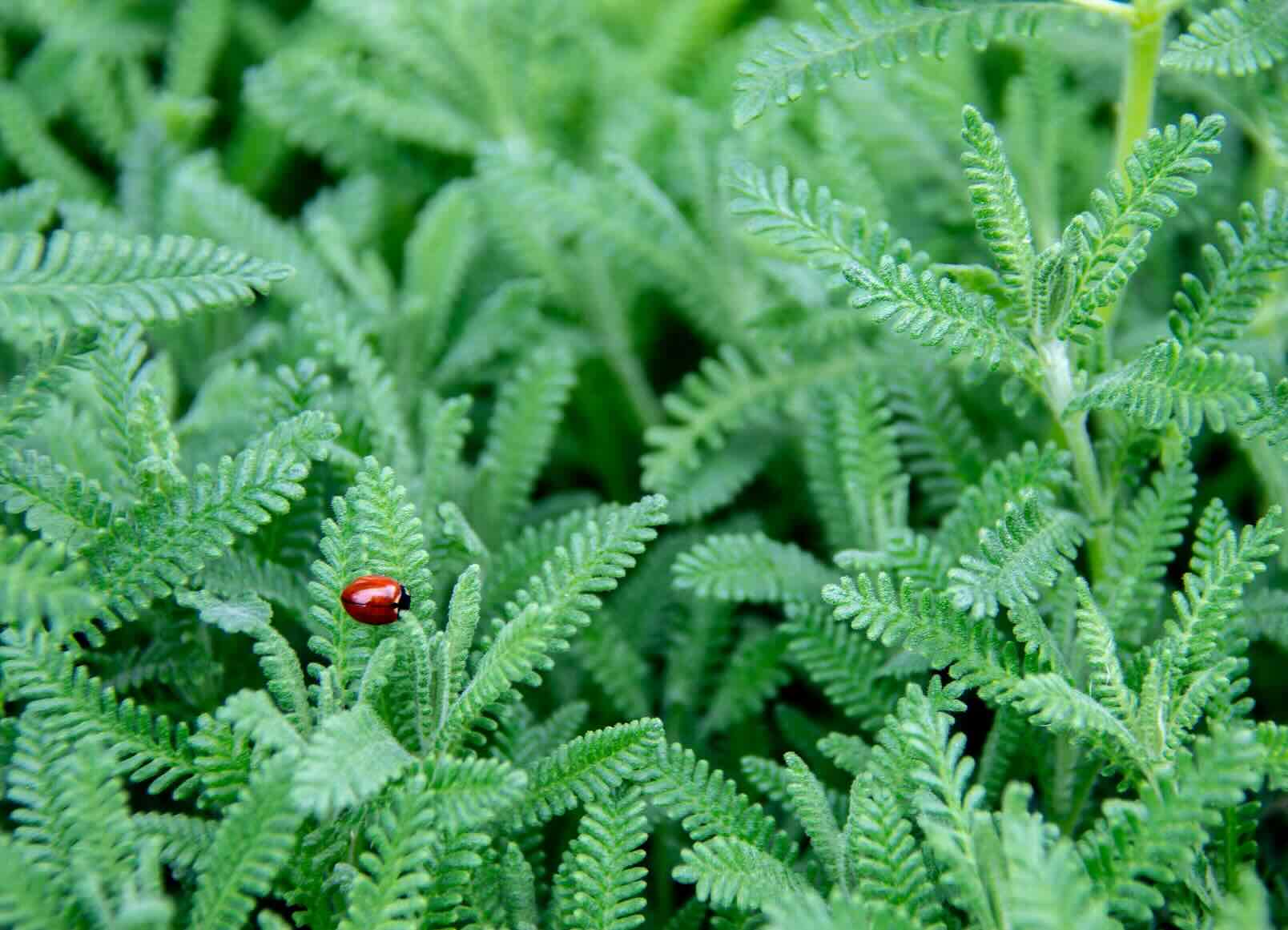
I bought a lavender plant a month ago. It had been sitting in its little plastic bag for way too long, and when we finally took it out to move it into a pot, we found the roots packed so tight they'd basically turned into a ball. No soil left in there, just roots.
We planted it anyway. It's dying now.
At first I thought I killed it by moving it. But the more I looked into it, the more I thought the truth was worse than that: it was already dead. Not physically dead — it still had leaves — but it had lost the ability to grow. Lavender doesn't grow new shoots from old, woody stems. Only from the green, new growth. And this plant's "new growth" had been circling in a bag for so long that it had gone woody too. Trapped from above and trapped from below.
Taking it out of the bag didn't kill it. Taking it out of the bag just showed me what had already happened.
We've been taking cuttings from it, separating out the newest, softest stems and hoping at least one takes root somewhere new. That felt like the only honest thing to do with it.
Organizations Get Root-Bound Too
I used to work at a company that was about 30 years old. Maybe 50-something people. No real competitor — the kind of place that basically ran the whole space it was in. And I noticed something strange: the people with real potential couldn't move up, because the people above them had taken those same seats when they were 30-something, and just... stayed. Only young workers left. Senior employees rarely left.
Same shape as the lavender. Roots packed in on themselves, old wood that won't put out anything new, and a container nobody's replaced in decades.
This isn't rare. It happens to companies, community groups, nonprofits, even software projects. There's actually a name for it — "founder's syndrome" — for when the person who built the thing can no longer let it change, and the people around them can't do anything about it.
Two real examples stuck with me.
Kent Whealy co-founded Seed Savers Exchange — a seed-preservation group, funnily enough — and ran it for 32 years as executive director. In 2007, he was removed by a unanimous vote of the very board he had personally picked. It got messy and public. He spent years afterward writing long letters to members about it. Whichever side you believe, the ending is the same: decades in, and the only tool anyone had left was a vote and a fight.
Richard Stallman founded the Free Software Foundation in 1985. He stepped down in 2019 after controversial remarks, then returned to the board in 2021 and said he wouldn't resign again. Thousands signed a letter asking him to leave. Major companies pulled their funding. Senior staff resigned in protest. None of it moved him. The board reaffirmed his seat anyway.
Neither of these stories is really about bad people. It's about old wood. Once something is old enough and settled enough, pressure doesn't bend it — it just breaks around it.
The Part I Keep Coming Back To
When the lavender was dying, we didn't try to save that plant. We took a cutting instead, and started something new next to it.
I think that's the same move, whenever a group's gone root-bound. Not winning the vote. Not out-arguing the board. Just starting the new thing beside the old one, and letting people decide where they'd rather put their roots.
And I don't think it's really competing for the same ground, either. The old group optimized itself for a market that existed decades ago — one shape of member, one way of doing things, whatever made sense back when it was founded. It reminds me of a machine learning model trained hard on old data. You don't usually fix that by tweaking it. You retrain it, or you just build a new one — it's almost always faster to train a fresh model than to untangle an old one that's overfit to a world that's already gone.
That's part of why we started the Seed Keepers. We weren't trying to replace the big institutional seed vaults — the Svalbard kind. Those do real, important work. But they end up keeping the seeds that are the most useful at scale, the most resilient, the ones that make sense for an institution to store. There's a whole world of seeds that don't fit that shape — small, local, a little inconsistent, carrying a story instead of a spec sheet.
New people, the ones just starting out, the ones with nowhere to grow inside the old structure — probably don't want the old pot anyway. They seem to want something new and a little unfinished, built by people who get where they're at right now.
Cuttings only take root from new growth, never from the old wood. I think that's just what it means to be standing in a group that can't change — you already know which part of the plant you'd take with you.
P.S. — What Kent Did Next
I looked into what happened to Kent Whealy after he left. He didn't just walk away and stop. In 2009, two years after leaving Seed Savers, he became a trustee of the Ceres Trust, funding research and advocacy for organic agriculture. Through it, he helped fund documentaries like Sandra Steingraber's Living Downstream, about the dangers of pesticides, and The Vanishing of the Bees, about pesticides' role in Colony Collapse Disorder — and backed further organic-agriculture advocacy alongside the Pesticide Action Network.
He didn't stay dead wood. He just stopped trying to grow inside the old pot, and put his energy into new ground — pollinators, pesticides, the whole living system underneath the seeds he'd spent 32 years cataloguing. Same root, different container.
Sources
[1] Kent Whealy — Seedsmen.org, the Victory Horticultural Library
[2] Free software advocates seek removal of Richard Stallman and entire FSF board — Ars Technica
[3] FSF Doubles Down on Stallman Reinstatement — WP Tavern
[4] An open letter to remove Richard M. Stallman from all leadership positions
[5] What is Nonprofit Founder's Syndrome? — Foundation Group
[6] How to Propagate Lavender From Cuttings in 7 Simple Steps — Epic Gardening
[7] Kent Whealy — Wikipedia (https://en.wikipedia.org/wiki/Kent_Whealy)