Gardening by the Sky: A Compass, a Trend, and Soil
Bee Builder
Author
Why adapting a century-old European planting calendar to tropical region meant learning to look up again.
My grandfather used to sail from southern Thailand down to Singapore with his crew. Before setting out, he'd watch the moon and read the weather. No satellites, no advanced tech— just the sky and decades of paying attention.
I never thought gardening had "moon stuff" too. Turns out it does, and it has a name: biodynamic gardening.
Here's what we've learned trying it in Thailand and why it's not as simple as copying a calendar from Europe.
It started with a question, not a system
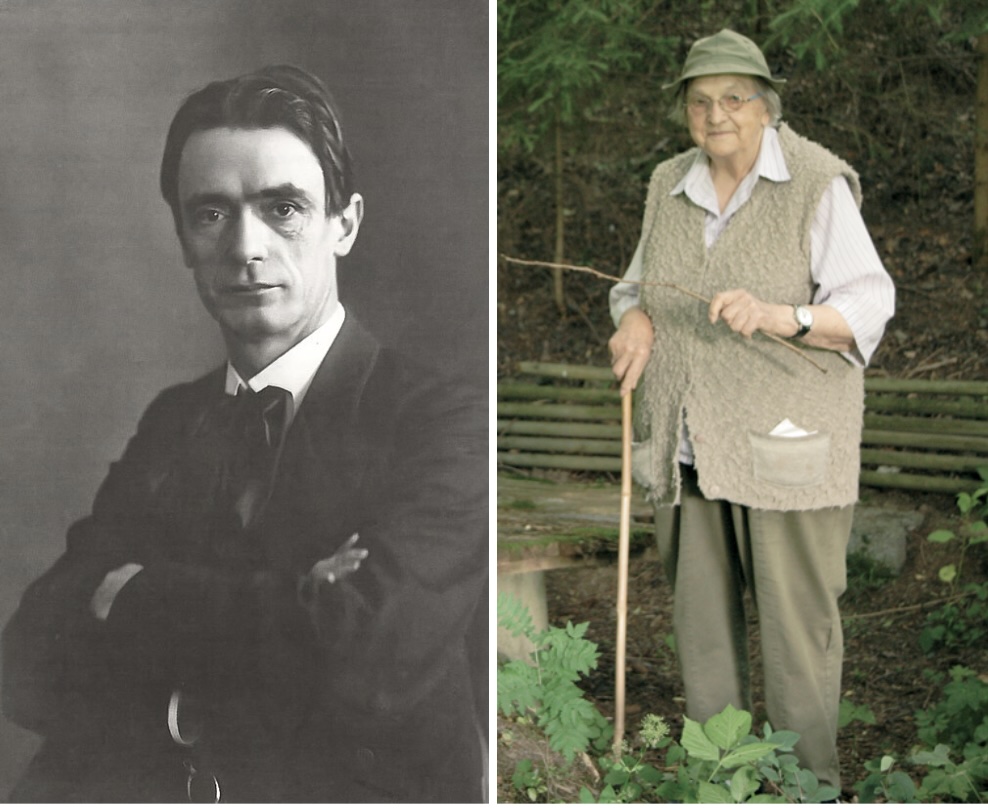
We're builders and The Seed Keepers, a small garden club, and honestly, we started gardening this year partly out of apocalypse anxiety. 😂 Somewhere between growing our own food and trying to save seeds, we stumbled onto biodynamic gardening, a practice that began with Rudolf Steiner and was later shaped into practical planting calendars by Maria Thun.
We are still beginners. We break the rules sometimes too.
The Four Biodynamic Days
Biodynamic calendars group garden work by which part of the plant you're working with:
🍎 Fruit Day — fruiting plants and seeds
🌸 Flower Day — flowers and blooms
🌿 Leaf Day — leafy greens and herbs
🥕 Root Day — roots and bulbs
Thailand is hot, humid, and gets a lot of rain nothing like the temperate seasons the original biodynamic calendars were built around. Chiang Mai alone has its own rhythm: a cool season, smoky/dry months, heat, and a rainy season, each behaving differently from what any European almanac assumes.
The lesson: a system built somewhere else is a starting point, not an instruction manual. Soil, water, shade, local varieties, and what's actually happening in your own garden still come first.
This isn't just a curiosity
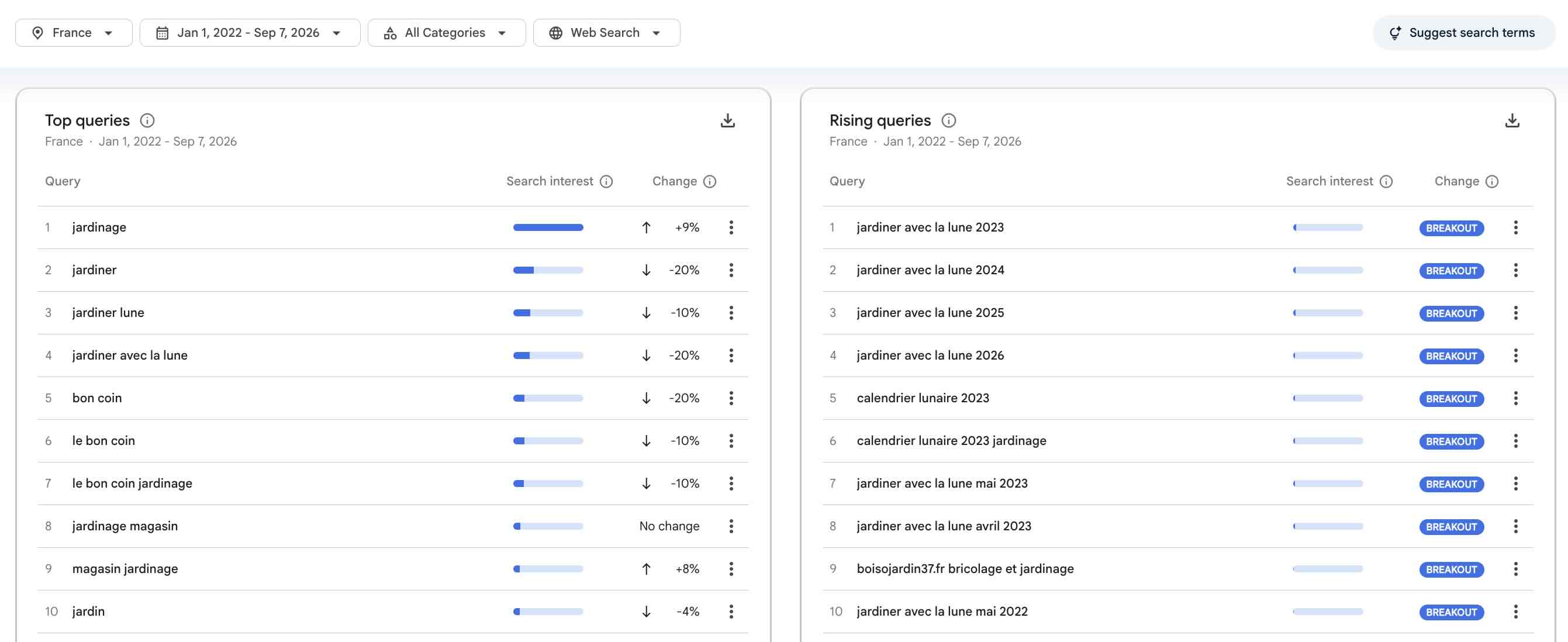
We got interested in lunar gardening partly because of an odd discovery: the phrase "jardiner avec la lune" ("gardening with the moon") gets searched constantly in France. It's a whole established practice there.
Across very different climates, cultures, and centuries, people keep arriving at the same idea: watch the sky, not just the calendar on the wall. French gardeners do it in their backyards. Maybe it's less "moon magic" and more "pay attention to natural cycles," dressed up differently depending on where you're standing.
Build something useful while you're still learning
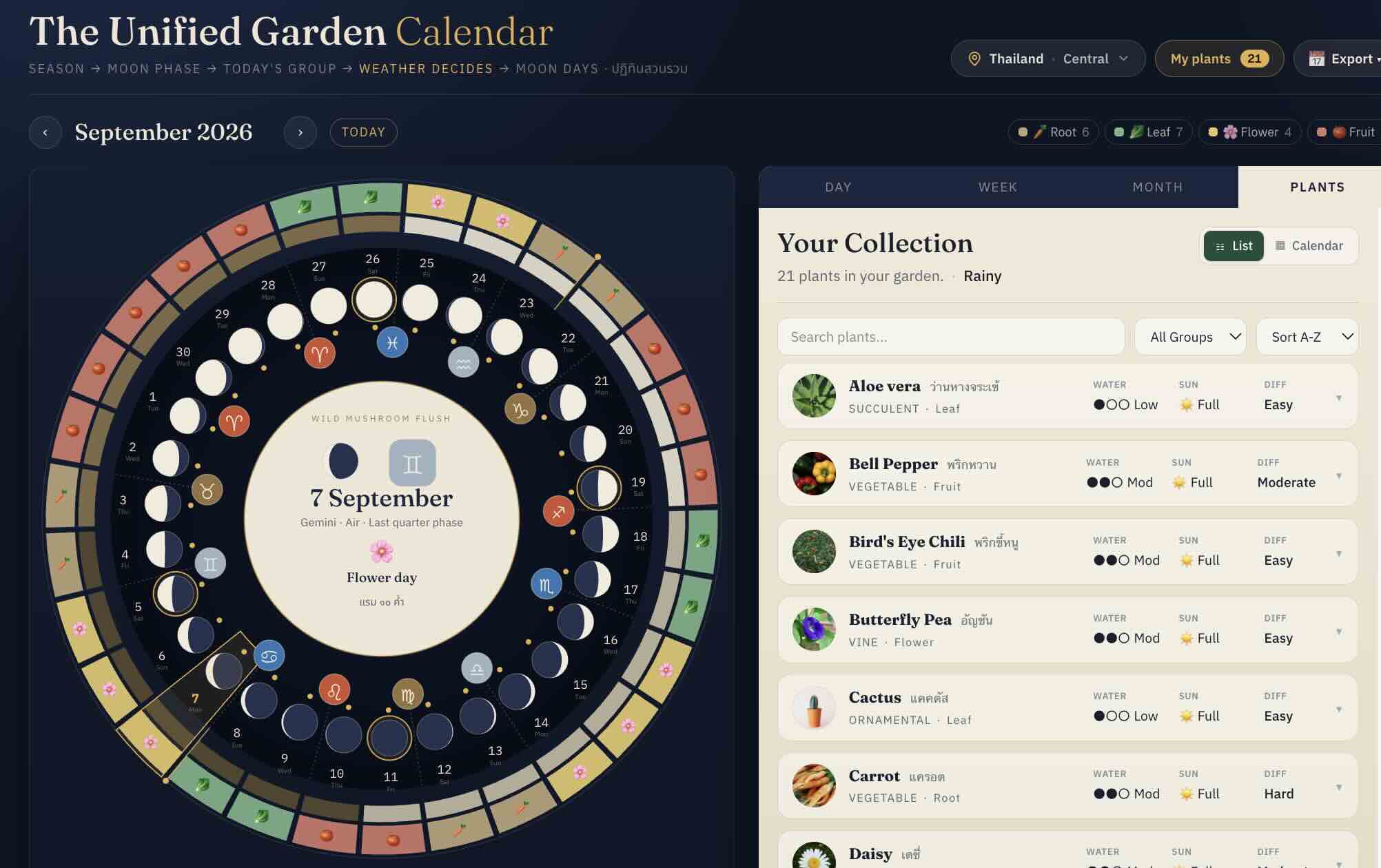
Rather than wait until we were "experts" (we're not), we started building a planting calendar — seasonal planting windows, moon phases, solar terms, and weather-aware notes, for Thailand, and now expanded to California, Hawai'i, and Kanto/Chubu/Kansai in Japan. It's reviewed by actual humans plus AI, and it's free to explore.
The invitation
We'd love to find and learn from other biodynamic or lunar gardeners across Asia — people who've already worked out what actually holds up against the monsoon season versus what only works in a European textbook.
If that's you, or if you're just curious what a fruit day, leaf day, root day, or flower day looks like in your own garden, come find us.
🔗 Explore the calendar: rintera.com/garden/planting-calendar
So instead of waiting for a perfect system to arrive, start with the sky you actually have and the soil that’s already yours. Sometimes, you just need to look up. 🌙🌱